Skip the trade-show chat. Kitchen knife sourcing from China is a sequence of eight steps, and the order you run them in matters more than the unit price you negotiate.
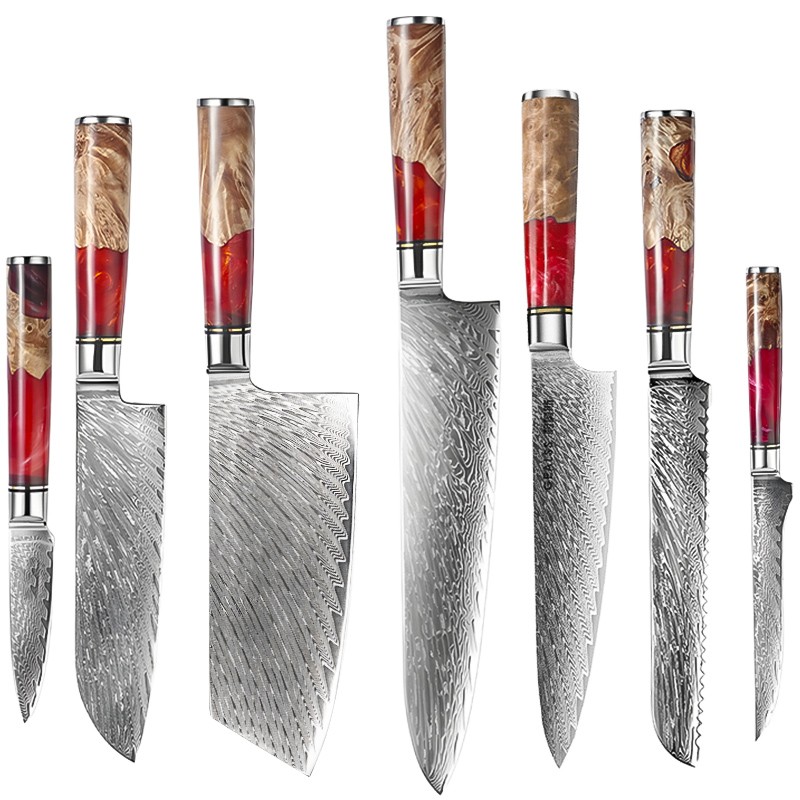
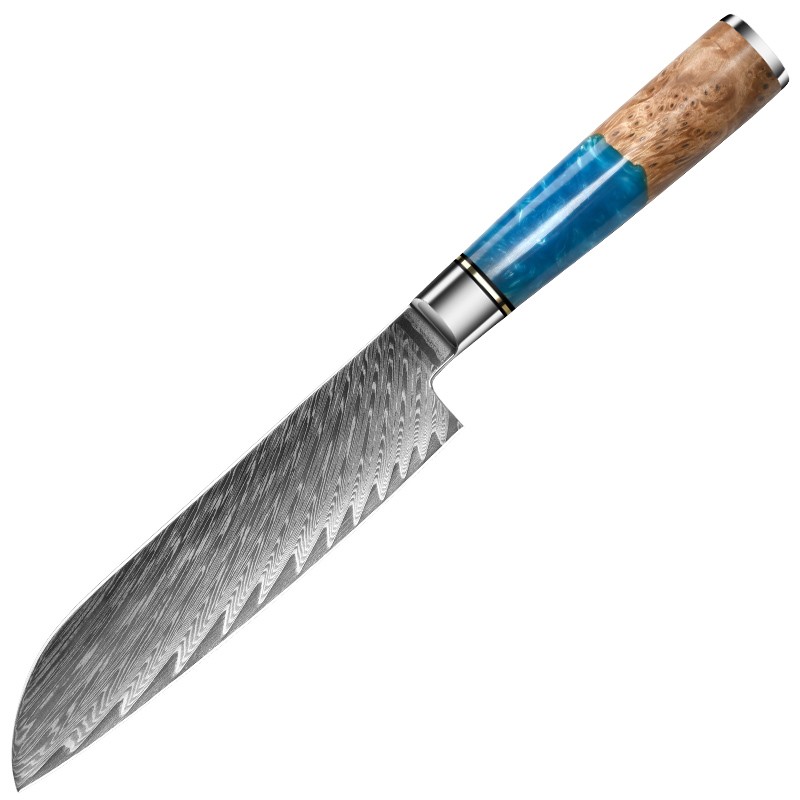
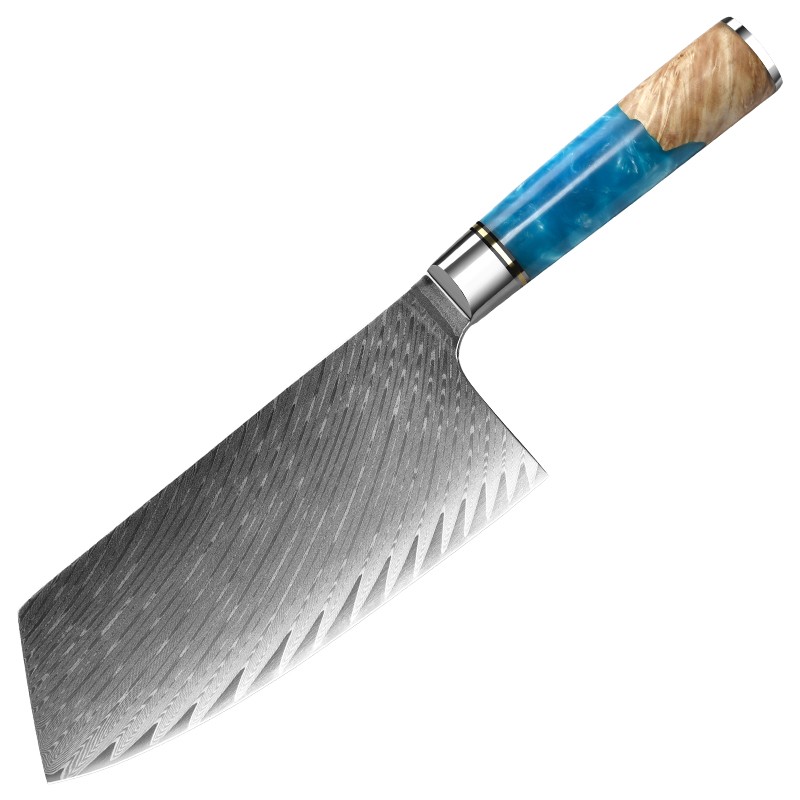
Step 1 — Write the spec before you email anyone. One page beats ten emails. Lock blade steel, handle material, blade length, bolster type and packaging. Steel grade is the first decision: 3Cr13 for value chef knives, 4Cr13 for Damascus-pattern sets, 9Cr18MoV core for layered premium blades. A vague brief lets the factory quote its cheapest interpretation.
Step 2 — Screen the factory, not the catalog. Ask for three documents: business licence, social-compliance audit, quality certificate. A cutlery plant holding BSCI and ISO 9001 has already been inspected by someone who is not you. Catalog renders prove nothing.
Step 3 — Order samples and cut with them. Ask about free sampling up front — 3-day free sampling is a normal arrangement. Then test properly: onion, tomato, a chicken bone. Wash the knife ten times and check the handle for wobble or cracking. Sample quality is the ceiling for your mass production quality.
Step 4 — Approve a pre-production sample in writing. This is the step buyers skip and regret. Once signed off, that sample becomes the reference against which bulk production is judged. Photograph handle colour, laser pattern and logo placement before you return it.
Step 5 — Fix MOQ and lead time per SKU. MOQ is model-specific, not company-wide. A 10-inch Damascus slicer starts at 200 pieces with 15–30 days lead time. An 8-inch stainless chef knife needs 1,000 pieces and 20–35 days. A 6-piece knife block set starts at 200 sets and 20–30 days. Build the first order around those tiers instead of arguing them down.
Step 6 — Define where quality is checked. Confirm how many inspection steps run between blanking and packing, and what the agreed defect ceiling is. Six QC steps with a defect rate under 0.3% is a workable baseline. Ask what happens to a failed batch: rework, replacement, or credit.
Step 7 — Settle trade terms, payment and currency. Agree FOB or CIF before quoting landed cost, and T/T or LC before the deposit. Pick the currency once — USD, EUR, GBP, JPY and CAD are all workable, but switching mid-order costs you on conversion.
Step 8 — Inspect before loading, not after arrival. Final inspection belongs at the factory, while the cartons are still open and the container is still empty. Once the doors are sealed you have no leverage and no fix.
Zenttop Industrial Co., Ltd. in Yangjiang runs a 40,000 m2 plant at 50,000 pieces/day, which is the scale that keeps a 200-piece trial order from becoming an afterthought among larger runs.
The last step is yours. Before sending an RFQ, answer one question: what is your annual volume per SKU? That number decides which steel grade and which MOQ tier a factory will quote seriously.