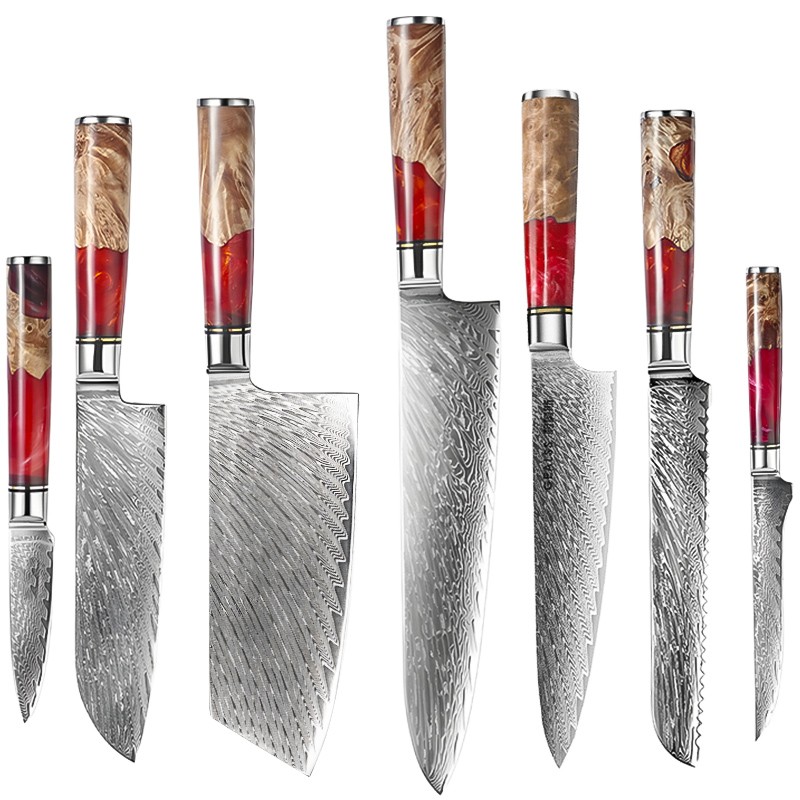
Sourcing kitchen knives from China can be a strong competitive advantage — or an expensive lesson — and the difference usually comes down to the factory you choose. This guide covers the essentials importers, brand owners, and retail buyers should understand before requesting quotes, from OEM versus ODM models to the specifications that decide quality, cost, and lead time.
OEM vs ODM: Which Model Fits Your Brand?
An OEM (original equipment manufacturer) partner builds knives to your drawings, materials, and branding. You control the blade steel, geometry, handle, and packaging, and you own the design intent.
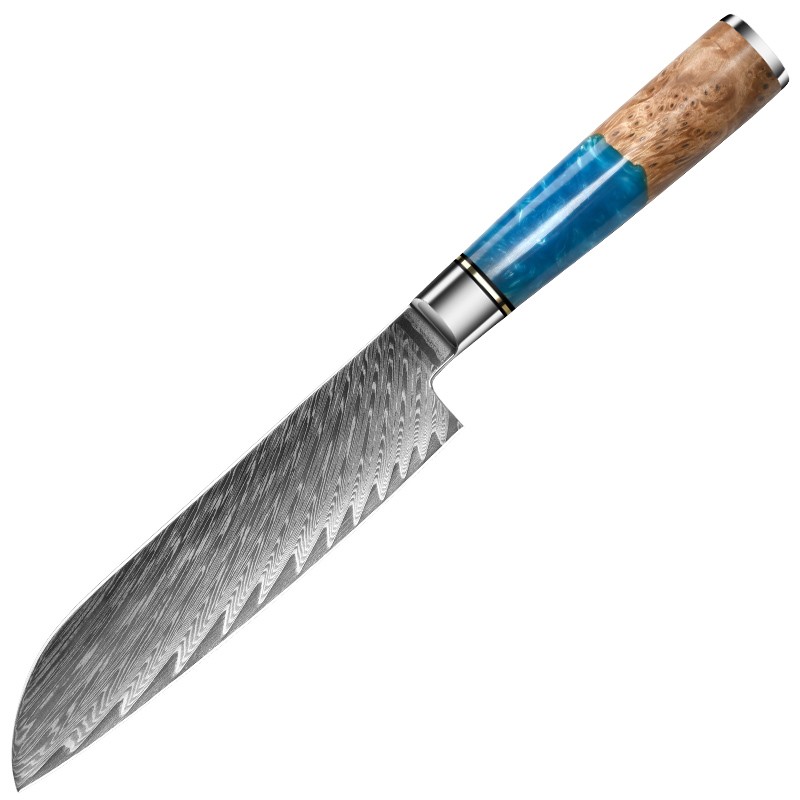
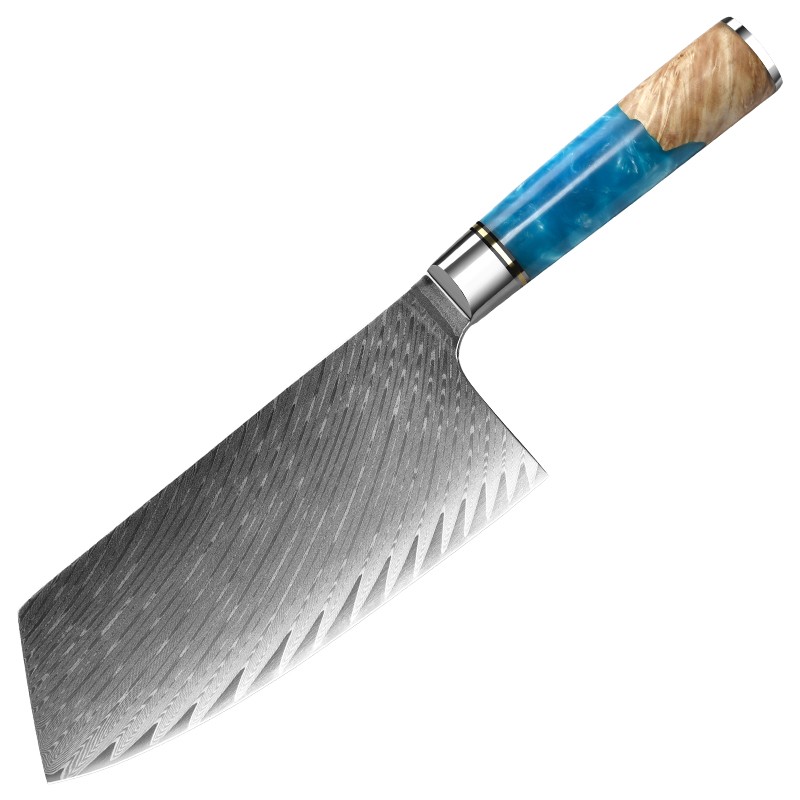
An ODM (original design manufacturer) partner offers an established catalogue of patterns that you customize with your logo, handle colour, and retail packaging. ODM is often the faster route for testing a new market without full tooling investment, while OEM suits buyers with firm specifications and a longer product roadmap.
Zenttop in Yangjiang operates both models, backed by more than 18 years of knife-making experience.
What to Specify Before Production Starts
Agree these points in writing, ideally with a physical sample approved first:
Send a reference sample or a clear spec sheet, and ask the factory to confirm what is achievable before tooling.
MOQ, Lead Time, and Capacity
Minimum order quantity depends on your specification: a stock pattern with your logo needs far less commitment than a fully custom blade with new tooling. Ask your supplier to quote MOQ separately for ODM customization and for OEM development, so you can weigh upfront investment against volume pricing.
Lead time should be quoted in stages — sample approval, tooling or pre-production, bulk manufacturing, and shipping. Request both sample lead time and bulk lead time in writing.
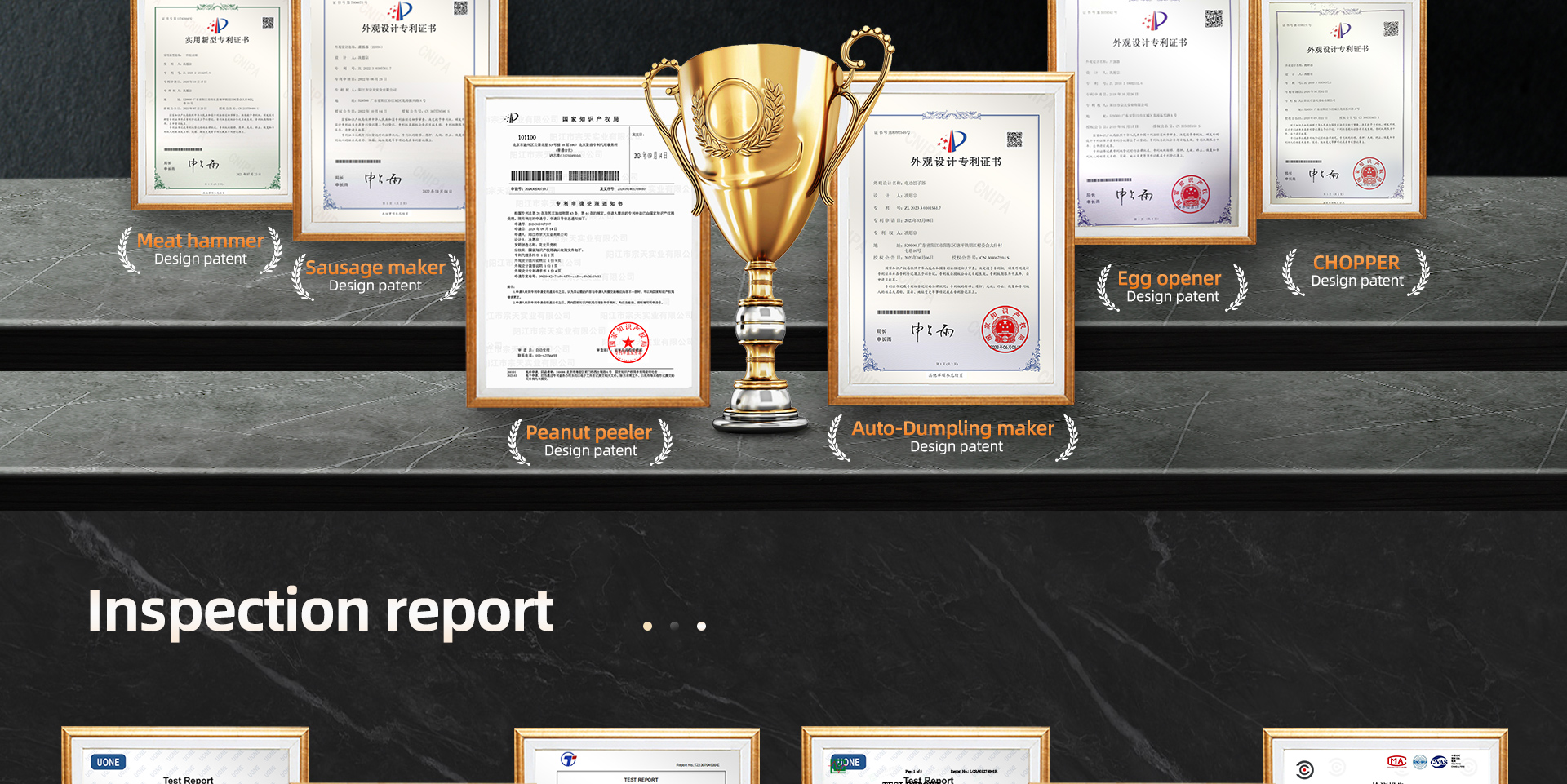
Capacity matters for repeat orders. Zenttop runs a 40,000 m2 factory with output of up to 50,000 pieces per day, which supports trial runs and volume programmes alike. The facility holds BSCI and ISO9001 certification, giving buyers a documented baseline for social compliance and quality management.
Choosing a Partner for the Long Term
A kitchen knife programme succeeds when the factory can match your specification consistently, order after order. Look for proven experience, audited systems, and real production scale — then validate it with samples and a small first order before scaling.
If you are planning a new knife line, email inquiry@zenttop.com with your target specifications, estimated quantities, and destination market. The team can advise on materials, MOQ, and lead time for your project.