 Damascus steel kitchen knives have moved beyond the display case into everyday cutlery. For B2B buyers, they are a strong way to differentiate a catalog, but sourcing them well requires understanding how these blades are made, what drives consistency, and how to brief a manufacturing partner. This guide covers the essentials for importers, brand owners, and procurement teams evaluating a damascus kitchen knife program through an OEM or ODM partner.
What Makes Damascus Steel Distinctive
Modern damascus steel is not a single alloy. It is created by forge-welding and folding layers of different steels, then etching the blade so the layered structure becomes visible as a wavy pattern. Functionally, manufacturers often pair the layered cladding with a core steel: a harder core for edge retention wrapped in layers that add toughness or corrosion resistance.
Specification choices usually revolve around steel configuration, layer structure, blade hardness, handle material, and finish. High-carbon layers deliver excellent cutting performance but require more care in use. Stainless-based damascus offers the decorative pattern with lower maintenance. Defining your target blade material early matters because it directly affects performance, price, and lead time.
Consistency Matters at Production Scale
Damascus is demanding to make consistently. Pattern uniformity, heat-treatment discipline, and precise grinding determine whether each knife in a production batch matches the approved sample. For that reason, factory systems matter as much as craftsmanship. Documented quality management procedures and recognized third-party audits are practical signals to look for when vetting a supplier.
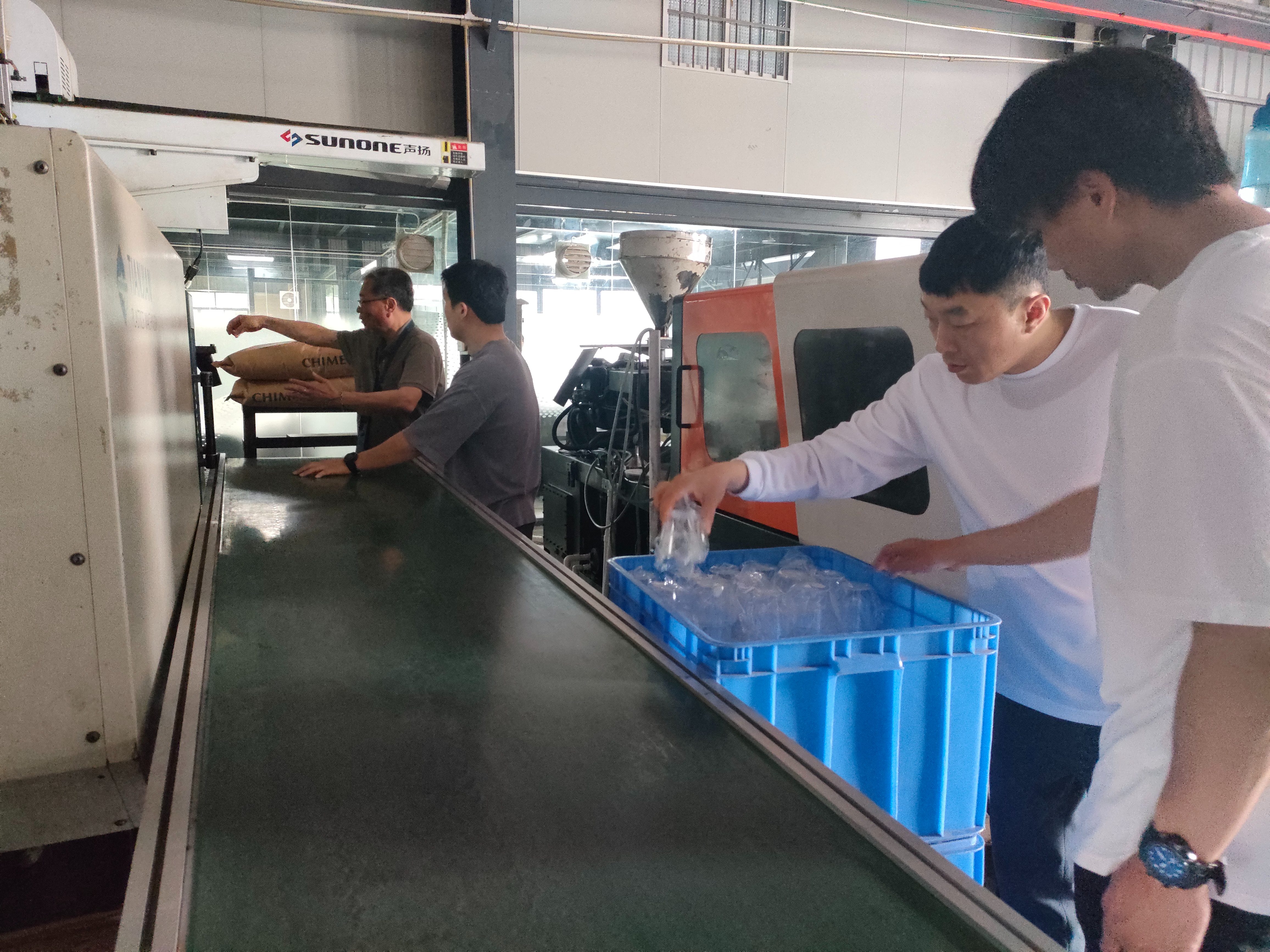
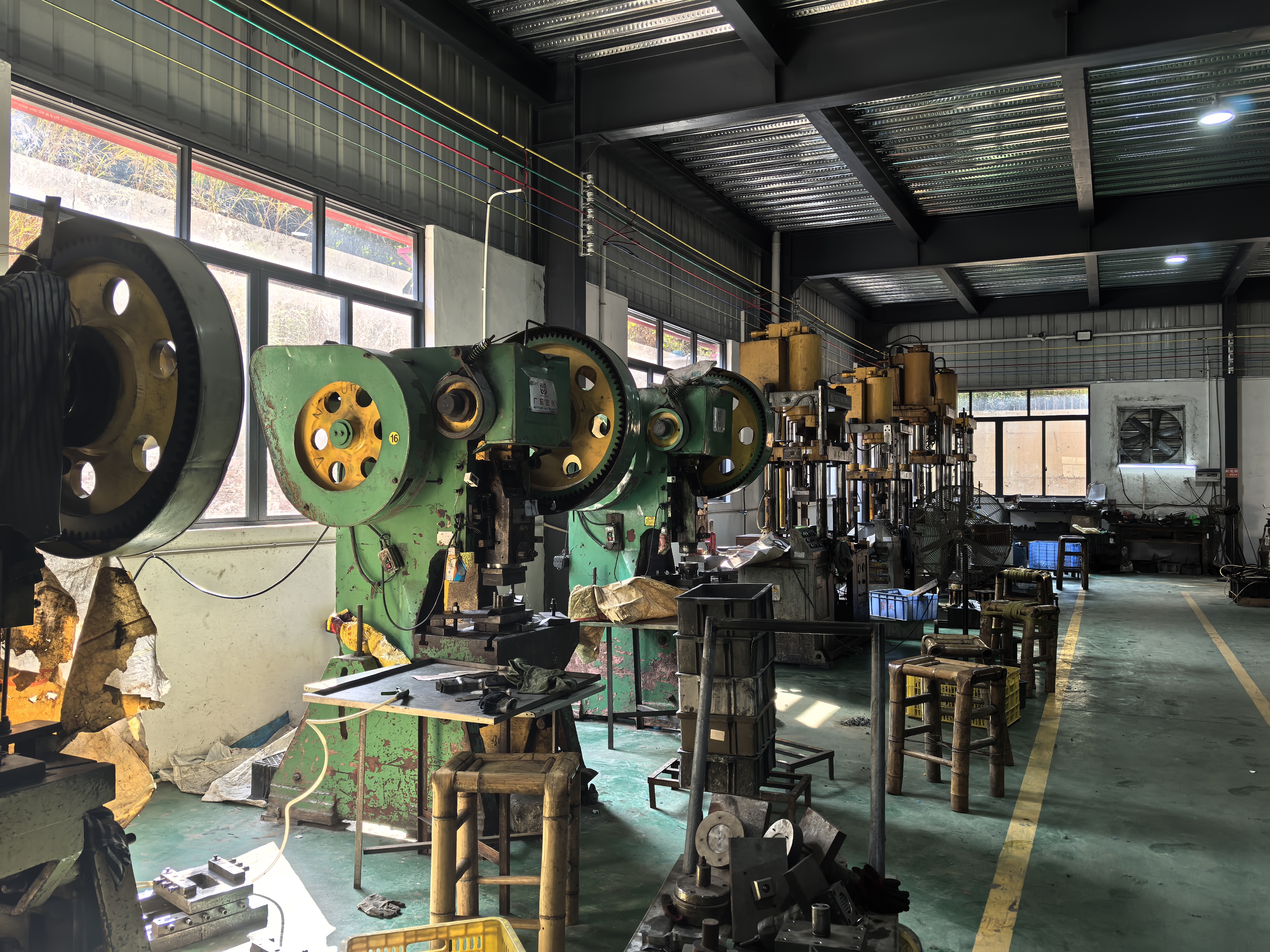
Zenttop is a Yangjiang-based kitchen knife manufacturer with over 18 years of experience, operating a 40,000 m2 facility with a daily capacity of 50,000 pieces. The factory holds ISO9001 certification for quality management and BSCI certification for social compliance. For OEM and ODM buyers, this combination of scale and process control means damascus production can move smoothly from sample approval to serial production.
What to Prepare Before You Inquire
When scoping a damascus knife program, prepare a product brief covering blade length, edge style, layered steel configuration, handle material, packaging, and target price points. Samples remain the fastest way to align expectations, since pattern and finish are hard to capture in words alone.
MOQ and lead time depend on specification complexity, handle and packaging choices, and order volume. No responsible supplier quotes a one-size-fits-all MOQ. A manufacturer with high daily output, such as Zenttop, can discuss realistic minimums and delivery schedules that match your program, then confirm them in writing. Materials can also be adjusted for regional preferences and usage habits.
If you are evaluating a damascus steel kitchen knife line, Zenttop welcomes inquiries from importers and established brands. Send your specification and estimated volume to inquiry@zenttop.com, and the team will review material options, manufacturing feasibility, and timelines with you.